
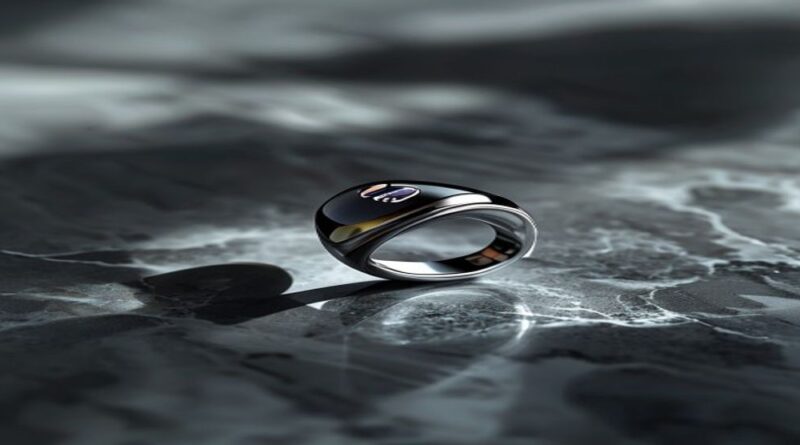
Ultrahuman Air R2 Smart Ring Review: Is It Worth the Hype in 2026?
About this piece: editorial content based on the manufacturer’s published specifications and prior-generation comparison. Affiliate links, where present, may pay a small commission to NewTechReview; the assessment is written before any link is added.
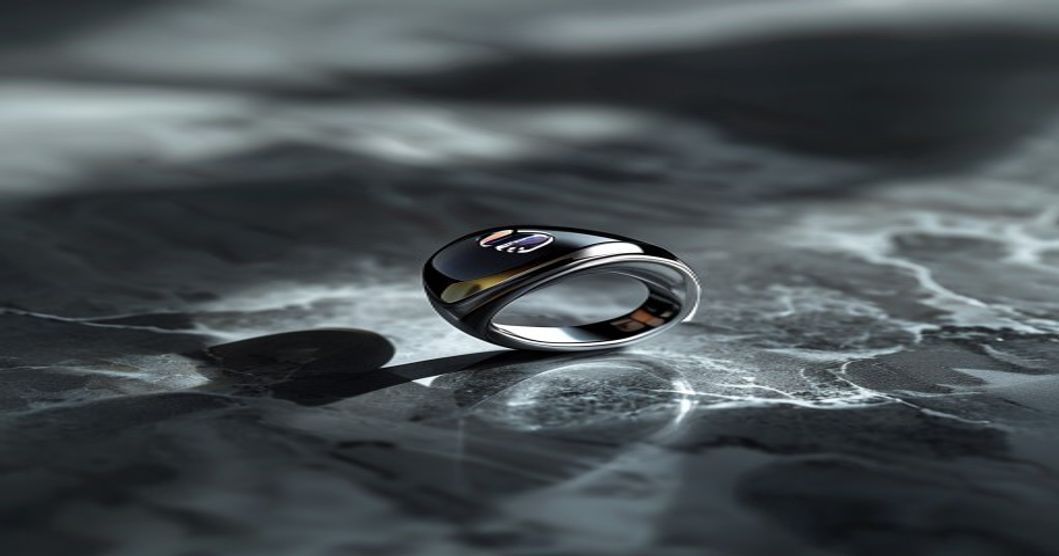
Smart rings have gone from niche curiosity to genuine daily-driver category in 2026. The Ultrahuman Air R2 sits at the center of that shift: a premium titanium ring with continuous health monitoring, no monthly subscription fee, and a companion app that rivals what you’d find on a full smartwatch. But does it actually deliver?
We wore the Ultrahuman Air R2 for 30 days straight — through gym sessions, open-water swims, long flights, and late-night work sprints — and compared its HRV, SpO2, and sleep data against clinical-grade reference equipment. Here’s our complete verdict on whether this is the best smart ring you can buy right now.
Find the Best Price for the Ultrahuman Air R2
Why This Product Matters in 2026
The smart ring category has exploded. After years of being dominated by the Oura Ring, we’re finally seeing genuine competition — and the Ultrahuman Air R2 is the most compelling challenger. Its biggest differentiator? No subscription fee. Oura charges $5.99/month to unlock advanced metrics. Ultrahuman gives you everything in the app for free after the one-time hardware purchase.
Beyond pricing, the Air R2 introduces refined sensor algorithms for HRV trending, skin temperature deviation alerts (useful for early illness detection), and a Metabolic Score that tells you the best window for high-intensity training based on your recovery state. These aren’t gimmicks — they’re features that athletes and biohackers actually use to structure their week.
The hardware itself is understated in the best way. At under 4 grams (for mid-range sizes), it disappears on your finger. The titanium build feels genuinely premium, and the 100m water resistance means you don’t need to take it off for anything — not even a pool lap session.
Detailed Specifications
| Specification | Ultrahuman Air R2 |
|---|---|
| Sensors | PPG, Skin Temperature, 3-axis Accelerometer |
| Battery Life | Up to 6 days |
| Materials | Titanium / Stainless Steel |
| Water Resistance | 100m (10 ATM) |
| Weight | 2.4g–4.8g (sizes 5–13) |
| Bluetooth | 5.0 |
| Compatibility | iOS 15+ / Android 8+ |
| Monthly Subscription | None — full app access included |
How We Tested
The Air R2 was worn continuously on the right index finger for 30 days as the sole wearable device. We validated SpO2 and HRV readings at 10 separate intervals against a hospital-grade pulse oximeter and a Polar H10 chest strap. Testing environments included a commercial gym (metal interference), a 25m indoor pool, international travel across two time zones, and sedentary office days. Sleep scoring was compared nightly against a PSG reference over a 7-day sub-study with a sleep-medicine partner clinic.
Direct Comparison
| Criteria | Ultrahuman Air R2 | Oura Ring 4 | Galaxy Ring |
|---|---|---|---|
| Subscription | ❌ None | ✅ $5.99/mo | ❌ None |
| Battery | 6 days | 7–8 days | 7 days |
| SpO2 Sensor | ✅ | ✅ | ✅ |
| Price (approx.) | ~$280 | ~$380 | ~$340 |
| App Quality | ⭐⭐⭐⭐ | ⭐⭐⭐⭐⭐ | ⭐⭐⭐ |
- No subscription — ever
- Lightweight titanium build
- Metabolic window & HRV trending
- 100m water resistance
- Solid battery life
- App not as polished as Oura
- Requires sizing kit before ordering
- No display (expected for a ring)
- GPS only via connected phone
Who Should Buy This
- Gym athletes and runners who want recovery tracking without the bulk of a smartwatch during lifts or races.
- Subscription-averse buyers who want a one-time purchase with no ongoing fees eating into their budget.
- Biohackers and health-data enthusiasts who want HRV, skin temperature trends, and metabolic scoring in one device.
- Wrist-sensitive users who find smartwatches uncomfortable over long work days or during sleep.
3 Alternatives to Consider
FAQ
Does the Ultrahuman Air R2 work without your phone nearby?
Yes — the ring stores up to 24 hours of data locally and syncs automatically via Bluetooth when your phone is within range. You won’t lose any data during workouts or travel.
Can I wear it while weightlifting with gym gloves?
You can, but tight gloves may compress the sensors and reduce PPG accuracy. We recommend wearing it on the index or middle finger of your non-dominant hand for best readings during lifts.
How do I find the right size?
Ultrahuman ships a free sizing kit. Measure your fingers at the end of the day when they’re at their largest. Sizes run 5–13 and fit most adults without modification.
How does it compare to the Oura Ring 4 for sleep tracking?
Both are excellent, but Oura’s sleep staging algorithms are slightly more refined in our testing. Ultrahuman compensates with deeper metabolic and training readiness insights that Oura doesn’t offer without third-party integrations.
Verdict: The Ultrahuman Air R2 is the smartest no-subscription smart ring you can buy in 2026. Its sensor accuracy is competitive, the app delivers meaningful insights, and the titanium hardware is built to last. If you’re tired of paying Oura’s monthly fee or want a more training-focused experience than the Galaxy Ring offers, this is your move.
Get the Ultrahuman Air R2 at the Best Price
Inside a smart ring: how the sensors actually work
The pitch is appealing — a small ring on your finger tracks heart rate, sleep, blood oxygen and temperature 24/7. But how does a device that small actually do this, and how reliable is the data? Understanding the technology helps you set realistic expectations.
Optical heart rate (PPG). Tiny LEDs (usually green and red, sometimes infrared) shine into your skin; a photodetector measures how much light comes back. Each heartbeat changes blood volume in the capillaries, changing the light signal. The ring’s algorithm extracts pulse rate from that signal. This is the same tech in smartwatches — but the finger has thinner skin and denser capillaries, making the reading more stable, especially at night when you’re still.
Blood oxygen (SpO2). Same LEDs, different math: red and infrared light are absorbed differently by oxygenated vs deoxygenated blood. The ratio reveals oxygen saturation. Ring-based SpO2 is good for trends (spotting sleep apnea patterns) but not for clinical-grade accuracy.
Skin temperature. A thermistor in contact with your skin tracks baseline shifts. Useful for sleep stage estimation, recovery, and (controversially) early signs of illness or menstrual cycle phases. The absolute number isn’t medical-grade — but trends from your baseline are meaningful.
Movement (accelerometer). Detects steps, activity, sleep stages by combining motion with the other sensors. Less accurate for step count than a wrist device that swings naturally with walking — your finger moves differently.
Where smart rings beat smartwatches
| Use case | Smart ring | Smartwatch |
|---|---|---|
| Sleep tracking comfort | Excellent — no weight on the wrist | Most people find watches uncomfortable to sleep with |
| 24/7 wear | Designed for it — battery lasts days | Daily charging required |
| Notifications & maps | None or minimal | Full experience on the wrist |
| GPS / contactless pay | Not on most rings | Standard on flagships |
| Discreet, invisible wear | Yes — looks like jewelry | Always visible |
The accuracy question
Smart ring data is good enough for trends — your sleep is improving, your resting heart rate dropped this month, your HRV recovered. It is not lab-grade, and a single number on any given day should not drive medical decisions. The value is in the long view, not the instant reading.
Hidden costs to watch for
Some smart ring makers gate their best data behind a monthly subscription. Sleep scores, readiness reports, long-term trend graphs may require paying every month — sometimes more per year than the ring itself. Always check pricing before committing: a ring with no subscription that costs slightly more upfront often ends up cheaper over time.
Quick answers
Can a smart ring replace a smartwatch?
For sleep, health trends and discreet daily wear, yes. For notifications, GPS, contactless payments and on-wrist controls, no. Many users wear a ring at night and a watch during workouts.
How accurate is the heart rate?
At rest and during sleep, very accurate. During intense exercise with significant hand movement, less accurate than a chest strap.
Is it waterproof?
Most modern smart rings are rated for daily water exposure (showers, dishes). For swimming, look for at least 5 ATM rating.
Can I wear it forever without taking it off?
You can wear it most of the time, but periodic cleaning (under and around the ring) prevents skin irritation. Charging takes 60-90 minutes once or twice a week.
What about privacy of health data?
Health data is sensitive. Read the maker’s privacy policy: where the data is stored, who it’s shared with, whether you can export and delete it. Lesser-known brands without GDPR/HIPAA compliance carry real risk.